

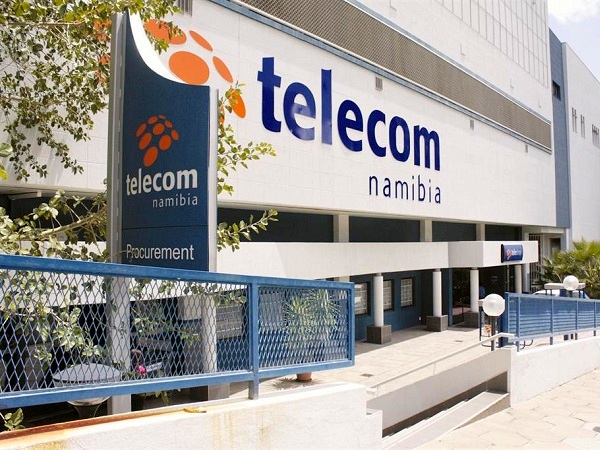
Telecom Namibia customers will be allowed to terminate their contracts without paying early cancellation penalties if the operator fails to resolve network faults within prescribed regulatory timeframes, the Communications Regulatory Authority of Namibia (CRAN) has announced.
The move follows a regulatory engagement between CRAN and Telecom Namibia on 3 June after months of nationwide service disruptions that have affected voice, data and messaging services.
The decision marks one of the strongest consumer protection measures introduced in Namibia’s telecommunications sector, placing increased pressure on operators to meet quality-of-service standards or risk losing customers.
CRAN Chief Executive Officer Emilia Nghikembua said consumers experiencing poor service quality must first log a fault with Telecom Namibia, which is required to acknowledge complaints within 24 hours and resolve them within 14 days.
Under existing quality-of-service regulations, at least 90% of reported faults must be resolved within 48 hours, while all faults must be resolved within five working days.
“Should Telecom fail to meet these minimum parameters, the consumer may elect to terminate their agreement without incurring early termination penalties,” Nghikembua said.
The directive comes as Telecom Namibia battles persistent network instability that has triggered public frustration and concerns over the reliability of the country’s telecommunications infrastructure.
According to CRAN, outages recorded between January and May this year were caused by a combination of access system failures, power interruptions, fibre network faults, hardware failures, transport infrastructure challenges and a surge in copper theft incidents.
More than 80 cases of copper theft were reported during the first four months of 2026 alone, disrupting connectivity and exposing vulnerabilities in the operator’s legacy infrastructure.
Beyond consumer remedies, CRAN has directed Telecom Namibia to implement immediate stabilisation measures, including replacing vulnerable equipment, strengthening backup power systems, improving international network redundancy and intensifying efforts to combat copper theft.
The regulator has given the company four months to complete the short-term interventions.
At the same time, CRAN signalled that broader reforms will be required to address the root causes of the disruptions, including investment in backbone capacity, expanded international connectivity, upgraded core systems and accelerated network modernisation.
The regulator warned that it will assess Telecom Namibia’s compliance with quality-of-service regulations and licence conditions and may impose fines or other enforcement measures where breaches are identified.
For consumers, however, the most immediate impact is the new right to walk away from service contracts if the operator fails to meet minimum service standards, a move aimed at strengthening accountability in Namibia’s telecommunications sector.