

Namibia has become the fourth country in Africa to deploy an instant payments system, positioning the country among the world’s early adopters of real-time payment technology as it accelerates the digital transformation of its financial sector.
The Bank of Namibia (BoN) said the Instant Payment Solution (IPS), which went live in June 2026, enables real-time electronic payments and forms a key pillar of the country’s strategy to build a faster, more interoperable and inclusive digital payments ecosystem.
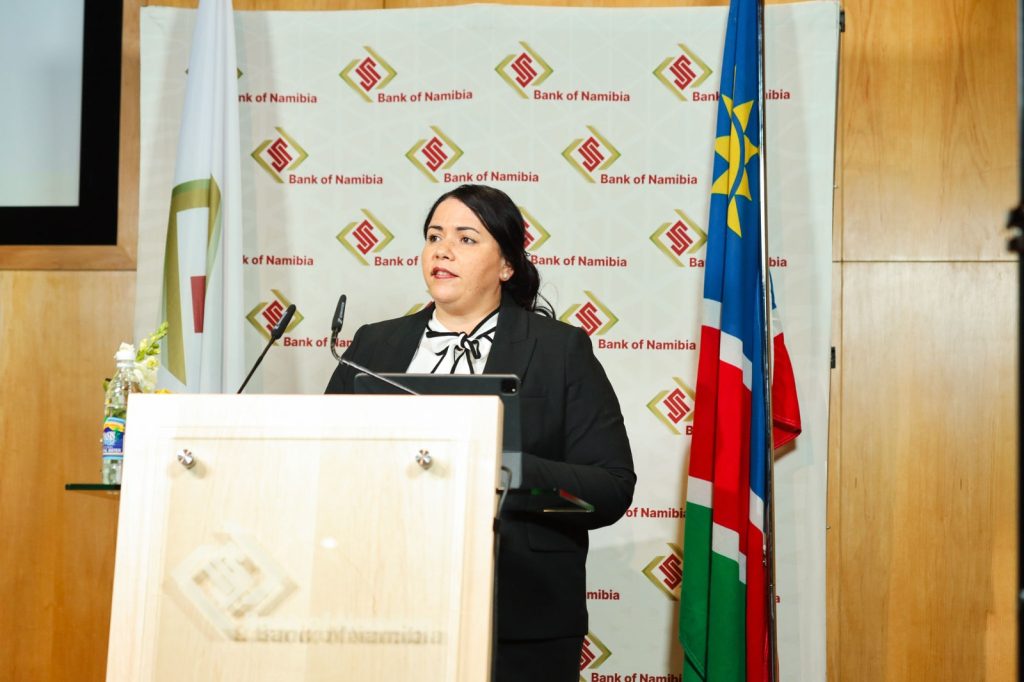
Speaking at the Payments Association of Namibia’s (PAN) annual general meeting and the launch of its 2025 annual report, BoN Deputy Governor Leonie Dunn said the rollout places Namibia among the first 50 countries globally to implement the technology.
“We have now evolved to rolling out our instant payments solution and the current use case having gone live in June. We are now really among the top 50 countries globally that have got the solution, and only the fourth on the African continent,” Dunn said.
The launch marks a significant milestone in the country’s National Payment System modernisation programme, aimed at improving the speed, efficiency and accessibility of digital transactions for consumers and businesses.
According to Dunn, the rollout is supported by broader institutional reforms, including the establishment of the Payments Association of Namibia as an independent industry body with its own governance structures, funding model and management board to coordinate payment innovation and industry standards.
She said the future of digital payments will depend on collaboration between regulators, banks, fintech companies and other payment service providers as financial services become increasingly digital and interoperable.
“The future of payments will not be shaped by regulation or technology alone. It will ultimately be shaped by how effectively we collectively collaborate. Payments are becoming increasingly interoperable and digital, and cooperation between regulators, payment service providers and the broader payments ecosystem will be essential,” she said.
The central bank also linked the growth of digital payments to improving financial inclusion. Namibia’s financial inclusion rate increased from 78% in 2017 to 86% in 2025, driven by wider adoption of digital financial services, mobile wallets, electronic money and agent banking networks.
Despite the progress, Dunn said challenges remain, including continued dependence on cash, limited digital access in rural areas, barriers facing the informal sector and the country’s digital divide.
“The statistics show a positive trajectory around financial inclusion. The story is far from over. Our focus must now ensure effective use of that access so that we can enable financial health within the Namibian population,” she said.
The Bank of Namibia is now working on the next phase of its National Payment System Vision 2030, which will focus on interoperability, affordability, innovation and public trust while exploring emerging technologies such as open finance.
The nationwide rollout follows the successful pilot of the Instant Payment Solution in June, during which live transactions were processed between the Bank of Namibia’s Currency Management and Banking Operations Department and the first participating institutions—Bank Windhoek, Nampost and Letshego Bank Namibia—ahead of the phased commercial rollout.
The launch is expected to provide the technological foundation for future digital payment innovations and support the growth of Namibia’s fintech ecosystem as demand for faster, always-on electronic payments continues to increase.