

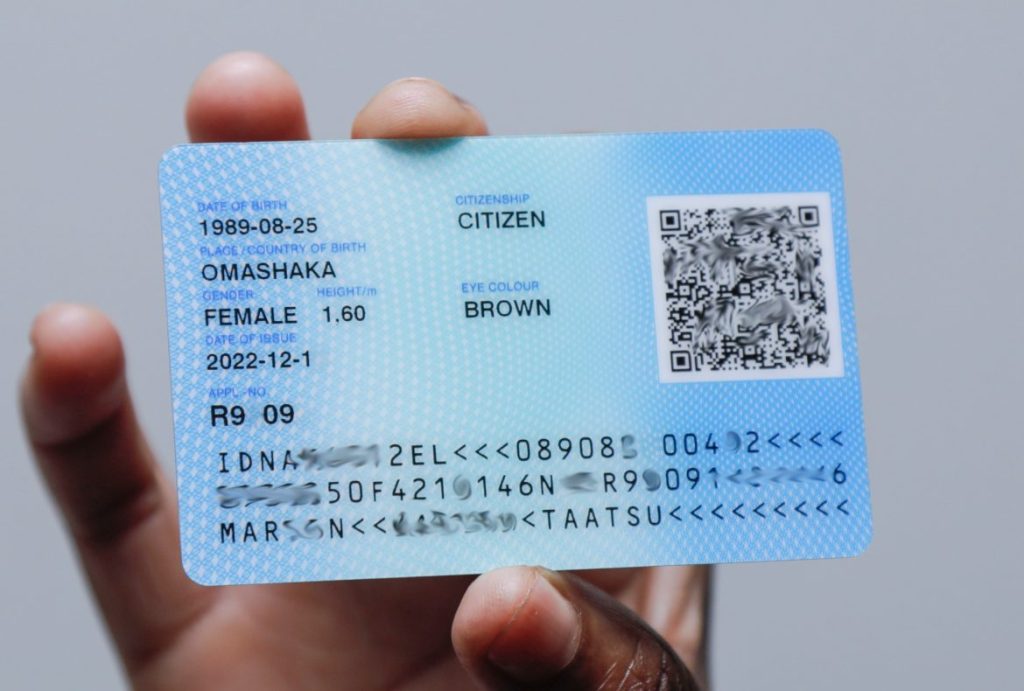
Namibia’s government plans to source key components of its upcoming electronic identity (e-ID) platform from local technology providers as it prepares to launch the country’s digital identity system in September 2026.
Home Affairs, Immigration, Safety and Security Minister Lucia Iipumbu said local companies would be encouraged to participate in an open tender process for the development of systems underpinning the new digital identity infrastructure.
The e-ID initiative forms part of Namibia’s broader digital transformation agenda and is expected to modernise identity verification, strengthen cybersecurity and improve access to digital public services.
“And what we are saying is that we want to help the service providers being sourced locally. There would be an open tender when the time is right for the systems to be developed, and that is the approach,” Iipumbu said in Parliament.
The electronic identity cards will store biometric and demographic information, including fingerprints and photographs, in a secure digital format. The technology is intended to support identity verification across government services, financial institutions and other sectors requiring trusted digital credentials.
Government has set September 2026 as the target date for implementation after postponing the initial February rollout to allow for the completion of legislation governing data protection and identity management.
The minister said funding for preparatory work had already been allocated and that stakeholder consultations were underway ahead of the rollout.
The project is expected to form a critical part of Namibia’s emerging digital public infrastructure, providing a foundation for secure digital transactions and online service delivery.
Iipumbu also sought to address public concerns around privacy and surveillance, dismissing claims that the technology would be used to track citizens or monitor their movements.
“Furthermore, the e-ID has no capability to track, monitor or control the movements or activities of citizens. The Government of the Republic of Namibia is fully committed to protecting the constitutional rights and freedoms of all citizens,” she said.
She added that the platform would operate within the framework of Namibia’s Civil Registration and Identification Act, which includes safeguards governing the collection, authentication and protection of personal information.
As countries across Africa accelerate digital identity programmes to support e-government services and financial inclusion, Namibia’s e-ID rollout is expected to become a key building block in the country’s digital economy strategy.