

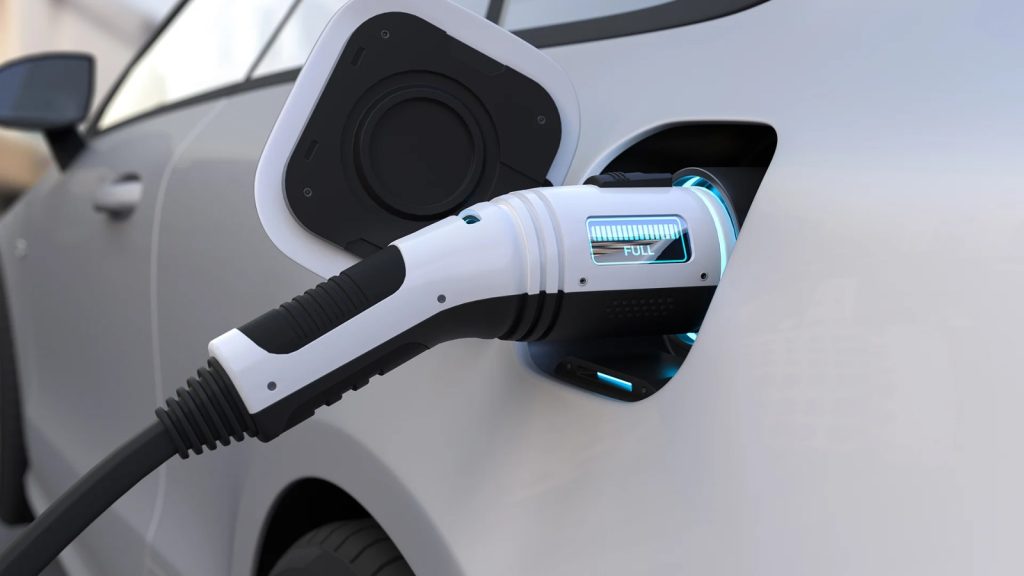
Namibia’s Ministry of Works and Transport has launched a pilot electric vehicle (EV) charging station in Windhoek as it explores the development of a nationwide charging network to support the growing adoption of electric vehicles in Namibia.
The charging station, installed at the ministry’s headquarters, will serve as a testing platform to assess the technical, operational and infrastructure requirements needed for a broader national EV charging ecosystem.
Speaking in Parliament, Minister of Works and Transport Veikko Nekundi said electric vehicle adoption is gradually gaining momentum in Namibia, particularly in the Windhoek-central corridor, creating the need for supporting charging infrastructure.
The pilot facility was designed and built by the ministry’s in-house engineering team and is expected to provide valuable data that could shape future investment and policy decisions around electric mobility.
“This initiative was developed and designed by the Ministry’s in-house engineering team and is aimed to serve as a study case that will inform possible future EV charging network deployment nationwide,” Nekundi said.
The move positions the ministry at the centre of Namibia’s early efforts to prepare for a transition towards electric transport, which is gaining traction globally as countries seek to reduce emissions and dependence on fossil fuels.
According to Nekundi, the ministry’s management of government-owned properties places it in a strong position to develop a nationwide network of charging stations that could eventually support both public sector and privately owned electric vehicles.
“As custodian of government immovable properties, the Ministry is suitably positioned to develop an extensive charging station network nationwide, with the view of catering for a future Electric Vehicle government fleet and possibly the public at large,” he said.
The pilot project comes as electric vehicles become increasingly visible on Namibian roads, driven by advances in battery technology, lower operating costs and growing consumer interest in sustainable mobility solutions.
Industry analysts have identified charging infrastructure as one of the key barriers to wider EV adoption across Africa, making early investment in charging networks critical to supporting future market growth.
Government employees who own electric vehicles have been invited to register to use the charging station as part of the pilot phase.
The project could provide a foundation for Namibia’s future electric mobility strategy, including the potential deployment of public charging infrastructure along major transport corridors and within urban centres.