

Namibia urged to fast-track AI adoption to drive skills and economic growth
Namibia is being urged to accelerate the adoption of artificial intelligence (AI) as the technology reshapes global economies and labour markets, with local experts warning that delayed uptake could see the country fall behind.
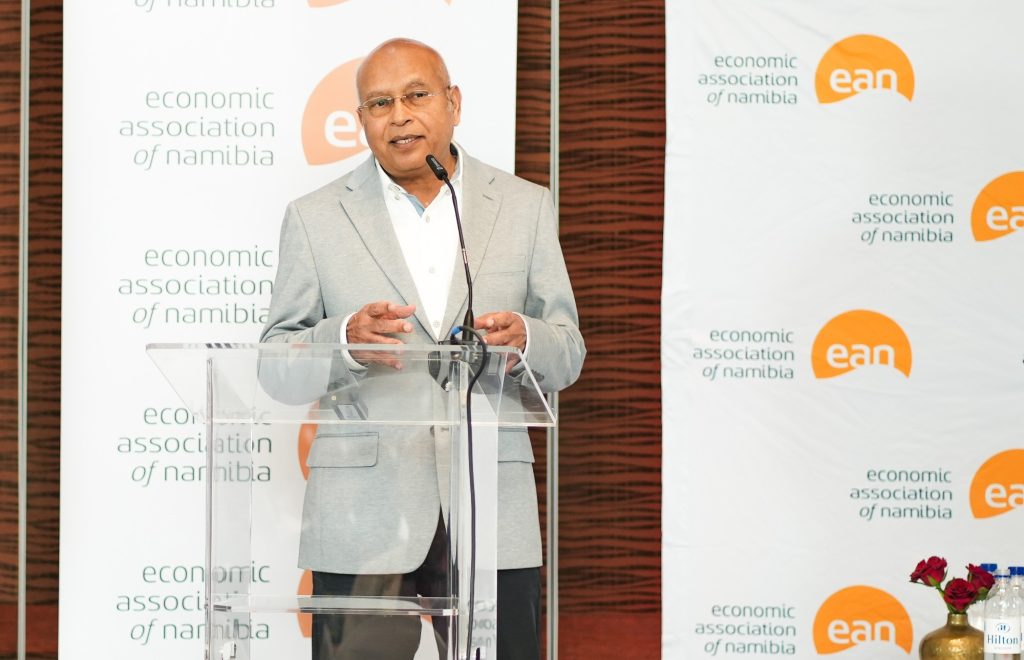
The Economic Association of Namibia (EAN) made the call during a public lecture focused on the role of AI in national development, productivity and future skills.
EAN Chairperson Jason Kasuto said AI is no longer an emerging trend but a defining technology of the current decade, requiring deliberate policy and skills alignment.
“We are witnessing an unprecedented pace of innovation. Artificial intelligence is no longer a futuristic concept. It is the defining tool of our current decade. The question for Namibia is whether we will be the architects of that change or merely its observers,” he said.
Kasuto said the focus must shift towards building a digitally capable workforce that can integrate AI across key sectors such as agriculture, mining, energy and healthcare, where productivity gains remain critical.
“We don’t just want growth, we want smart growth. We want a future where Namibian talent is aligned with global innovation and where our workforce is equipped with 21st-century skills,” he said.
Technology expert and former Microsoft executive Chandan Chauhan said global AI investment is accelerating rapidly, with spending projected to exceed US$2 trillion, signalling a structural shift in how work is done.
“AI is no longer just a tool. It is becoming an autonomous teammate that can reason, act and execute work,” Chauhan said, pointing to the growing integration of AI into enterprise systems and decision-making processes.
He said the technology presents a significant economic opportunity for Africa, but warned that outcomes will depend on the ability of countries to develop technical capabilities and digital infrastructure.
“AI represents a trillion-dollar opportunity for Africa, with the potential to drive growth, create jobs and transform industries. However, this will depend entirely on building the right capabilities,” he said.
Chauhan noted that Namibia has a relative advantage in terms of infrastructure and stability, positioning it to compete regionally if it moves quickly to adopt and regulate AI technologies.
“This is not just a technology race, it is a timing advantage. Early movers will define the standards,” he said.
The discussions also highlighted a shift in the skills required in an AI-driven economy, with increased demand for critical thinking, creativity and adaptability, alongside technical and digital competencies.
Participants were encouraged to adopt digital tools and invest in continuous learning to remain competitive as AI becomes embedded across industries and everyday business operations.
EAN said the engagement forms part of its broader push to position Namibia within the global digital economy and ensure the country is prepared to harness emerging technologies.