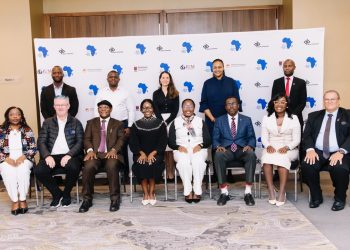

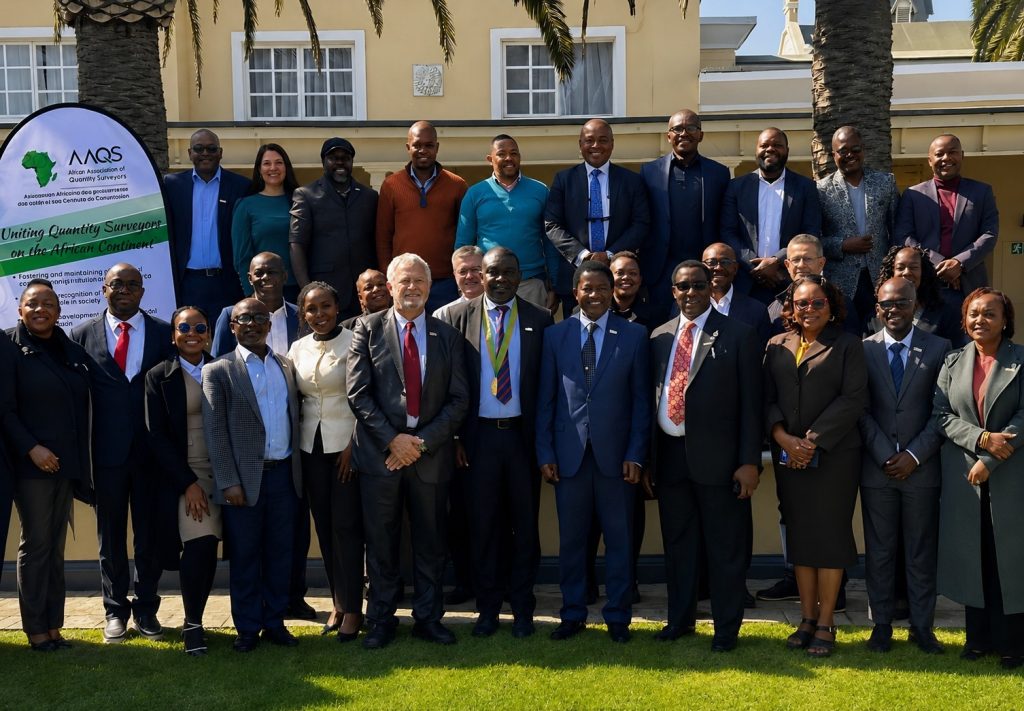
Quantity surveying professionals from across Africa have called for the accelerated adoption of artificial intelligence (AI), Building Information Modelling (BIM) and other digital technologies to improve efficiency and sustainability in the construction industry.
The call was made during the INQS & AAQS Conference 2026, hosted by the Institute of Namibian Quantity Surveyors (INQS) in partnership with the Association of African Quantity Surveyors (AAQS) in Swakopmund.
The conference brought together more than 80 delegates from Namibia, Kenya, Nigeria, Zambia, Uganda, Malawi, Ghana, Botswana, Zimbabwe and South Africa to examine how technological innovation is reshaping the built environment.
Discussions centred on AI, BIM, digital transformation, sustainable infrastructure, construction risk management and contract administration as the profession adapts to rapid technological change.
Deputy Minister of Works and Transport Hans Haikali officially opened the conference, highlighting the built environment sector’s role in supporting infrastructure development and economic growth.
Swakopmund Mayor Suama Kautondokwa also addressed delegates, emphasising the importance of collaboration between government, industry and professional bodies.
Institute of Namibian Quantity Surveyors President Frikkie Jordaan said the profession must embrace technology to remain relevant in a changing construction environment.
“The INQS & AAQS Conference 2026 has demonstrated the power of partnership, innovation and leadership in shaping the future of quantity surveying in Africa. As technology continues to transform the built environment, our profession must remain agile, forward-thinking and committed to excellence,” Jordaan said.
He said the conference also strengthened regional cooperation by providing a platform for professionals to exchange best practices, discuss emerging industry trends and identify practical solutions to challenges facing the construction sector.
Delegates concluded the conference by committing to closer collaboration, greater knowledge sharing and wider adoption of digital technologies to improve project delivery and support sustainable infrastructure development across Africa.