
NamPower has commissioned what it describes as Africa’s first fully digital substation, introducing infrastructure designed to support future artificial intelligence (AI) applications in Namibia’s electricity network.
The N$394 million Sekelduin Substation, located east of Swakopmund, represents a major step towards the digitalisation of the country’s power grid and could pave the way for AI-driven monitoring, predictive maintenance and automated network management.
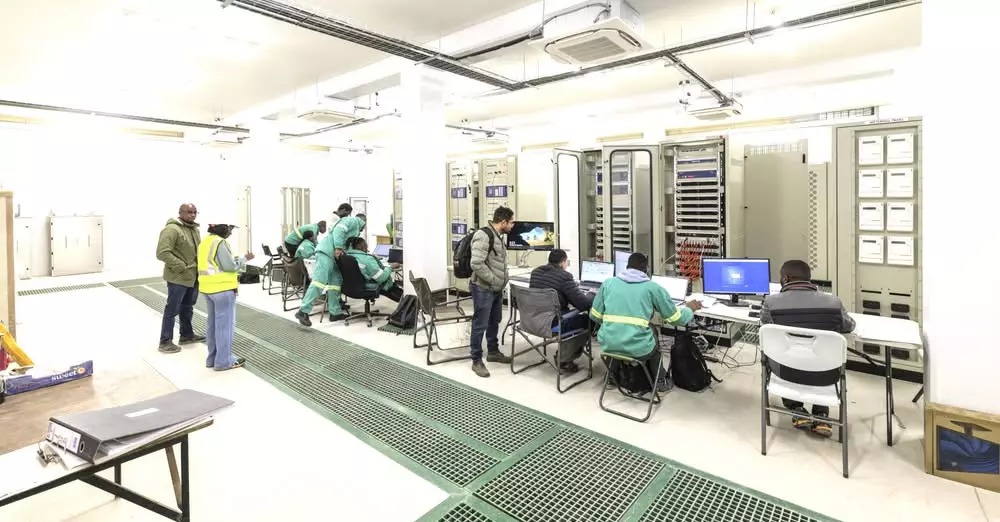
Unlike conventional substations, which rely heavily on manual inspections and analogue systems, the Sekelduin facility generates real-time operational data from critical grid equipment. This digital foundation enables advanced technologies such as artificial intelligence and machine learning to analyse network performance, identify faults and predict equipment failures before they occur.
According to NamPower, the substation has been designed to support future smart-grid capabilities, allowing operators to move from reactive maintenance to predictive maintenance, reducing outages and improving reliability.
The digital architecture also enhances remote monitoring, enabling engineers to track the performance of transformers, switchgear and other assets from central control centres without the need for frequent site visits.
As power utilities worldwide increasingly adopt AI technologies, electricity networks are becoming more efficient at detecting abnormal operating conditions, forecasting demand patterns and optimising power flows across transmission systems.
NamPower says the Sekelduin Substation incorporates advanced Supervisory Control and Data Acquisition (SCADA) integration, improved fault-location technology and enhanced cybersecurity measures, all of which are essential building blocks for future AI-enabled grid operations.
The utility noted that the digital design significantly reduces the use of copper cabling and conventional hardware while increasing the amount of actionable operational data available to system operators.
Speaking at the inauguration, NamPower Managing Director Kahenge Haulofu said the project was developed to meet rising electricity demand in the Erongo Region while preparing the network for future growth and technological advancement.
The facility serves as the primary transmission supply point for Swakopmund, Tamarisk, the NamWater South bulk water supply scheme serving the Husab Uranium Mine and the Erongo RED distribution network.
The commissioning comes as NamPower advances broader investments under its Transmission Master Plan, aimed at strengthening grid reliability and preparing Namibia’s electricity infrastructure for future industrial expansion, renewable energy integration and increasing power demand.
With AI expected to play an increasingly important role in utility operations globally, the Sekelduin project positions Namibia among a growing number of countries investing in digital infrastructure capable of supporting next-generation energy technologies.