

Paratus Namibia is preparing to expand its mobile technology footprint in the country with the rollout of 5G, positioning itself at the centre of the country’s next phase of digital transformation.
According to Managing Director Andrew Hall, the company sees 5G as a key growth area and is actively investing in the necessary infrastructure.
“Looking ahead, our next big move is expanding our mobile technology footprint—specifically 5G. That’s where we see the next wave of opportunity,” Hall said in an interview on The African Tech Roundup.
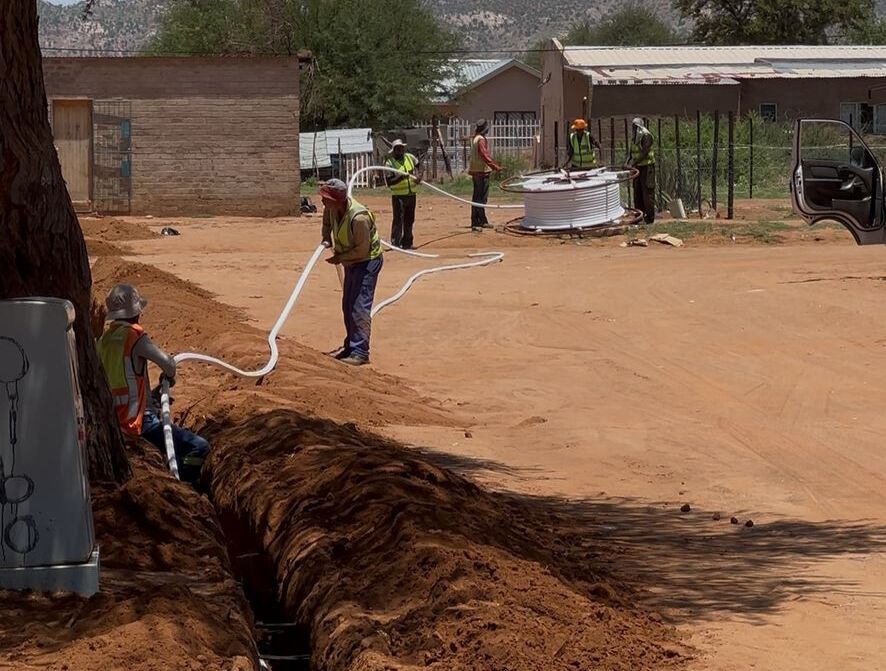
He said the company is doubling down on its investment in fibre while preparing for its 5G rollout, as part of a broader effort to meet rising demand for faster and more reliable digital connectivity.
Hall also used the platform to call for greater collaboration among telecom operators, warning that infrastructure duplication is hindering efficiency and slowing sector growth.
He highlighted the costly and unnecessary trend of multiple operators installing separate fibre lines and mobile towers along the same routes. “We often see multiple fibre cables and towers running parallel across the same routes, which is inefficient. Open access models, like the one we introduced, are key to improving competition and service delivery,” he said.
While Namibia has three main telecom operators, Hall noted that regulatory and structural challenges often limit opportunities for infrastructure sharing. Still, he emphasised that cooperation, not duplication, is essential if Namibia is to expand digital access affordably and sustainably.
He said Paratus is one of the first operators in the country to adopt an open access network, allowing smaller internet service providers (ISPs) to use its fibre infrastructure. Hall said this model not only reduces redundant investments but also enhances consumer choice and supports a more competitive telecom environment.
While Paratus remains primarily enterprise-focused, generating about 75% of its business from corporate clients, it has seen strong growth in the consumer segment since 2016. Hall attributes this success to delivering consistent, high-quality internet service and being agile in adapting to customer needs.
Hall emphasised that Paratus has consistently reinvested in the Namibian market since its inception. The company initially built a wireless network before laying down its first major fibre backhaul from the cable landing station in Swakopmund to the Botswana border. In 2018, it began rolling out fibre-to-the-home (FTTX) infrastructure in Windhoek, later expanding nationally.